Forest Nutrition for Natural Mobility
Exploring forest-sourced tropical plant compounds and their role in supporting everyday joint mobility and fluid body movement through natural dietary elements.
Forest Nutrition for Natural Mobility
The tropical forests of Indonesia have sustained diverse populations for centuries through rich dietary traditions. These forests produce a remarkable variety of plants and natural compounds that have been integral to local nutritional practices.
Forest-sourced nutrients play an important role in supporting the everyday activities and fluid body movement that characterize an active forest-based lifestyle. Understanding the composition and origins of these natural elements provides insight into traditional dietary patterns and their significance in supporting overall bodily function.
This resource explores the botanical origins, natural availability, and nutritional context of key forest compounds without making medical claims or recommendations.
Role of Jungle Plants in Movement Comfort
In tropical forest ecosystems, the active lifestyle enabled by natural terrain requires physical adaptability and resilience. Local dietary traditions have incorporated specific forest plants and nutrients for their role in supporting the nutritional needs of physically active individuals.
Jungle plants contain natural compounds with diverse biochemical profiles. These compounds have been valued components of traditional forest diets, where their availability aligns with local nutrition practices and seasonal food sources.
The relationship between forest nutrition and physical capacity is grounded in understanding how natural dietary elements support basic bodily functions, including the maintenance of normal joint structure and the support of everyday movement.
Overview of Forest-Sourced Compounds
Tropical forests produce a diverse array of natural compounds that have played significant roles in traditional dietary practices. These compounds originate from various plant sources and are characterized by their unique biochemical compositions.
Glucosamine
A natural compound found in fungal and marine sources, traditionally valued in forest and coastal diets.
Chondroitin
A component of marine ecosystems, representing an important element of traditional island nutrition.
Collagen Peptides
Marine-derived protein components, significant in traditional island and coastal food sources.
MSM (Methyl Sulfonyl Methane)
A naturally occurring sulfur compound found in forest vegetation and traditional plant sources.
Curcumin
The active component of turmeric, a fundamental element of traditional forest and regional cuisines.
Ginger Extract
A widely used forest plant with a long history in traditional dietary and culinary applications.
Glucosamine from Tropical Forest & Sea
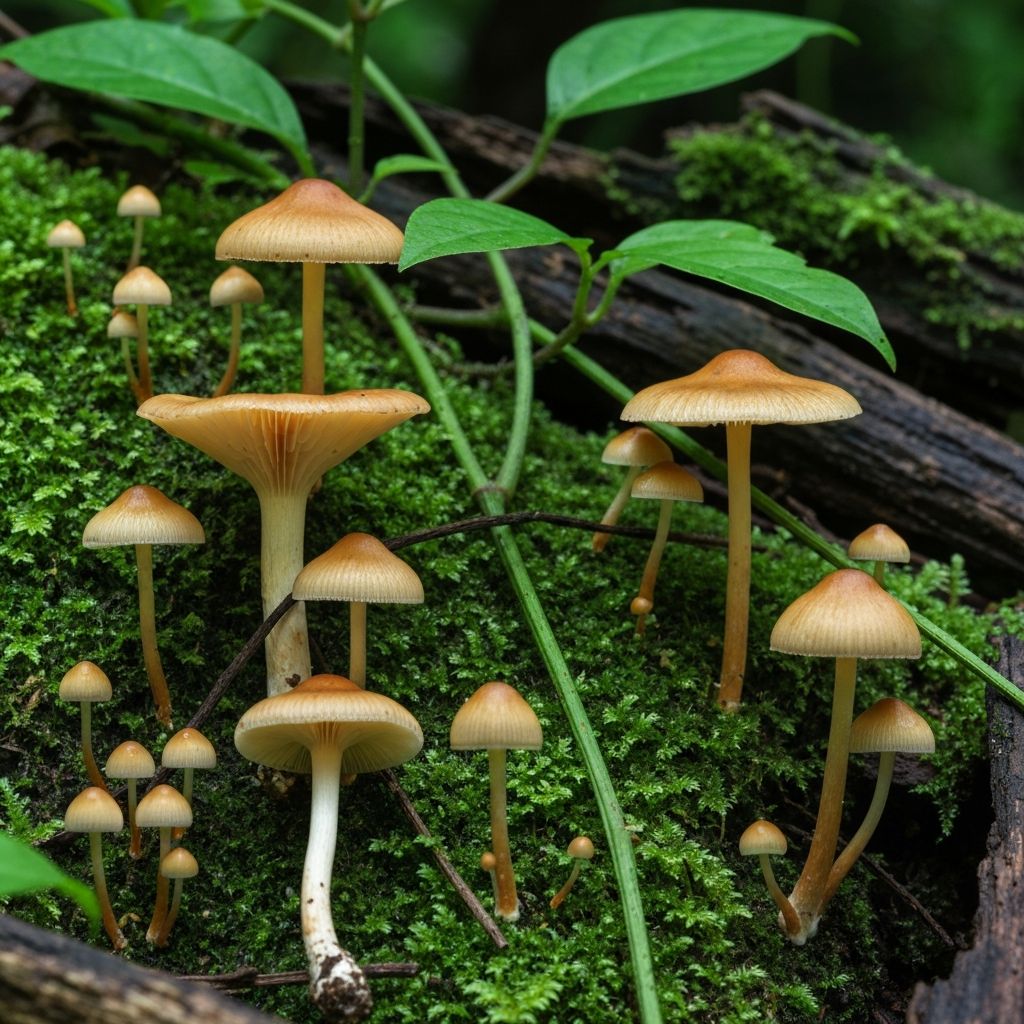
Glucosamine is a naturally occurring compound synthesized from glucose. It appears in both fungal organisms found throughout tropical forest ecosystems and in marine sources from surrounding waters.
In traditional forest diets, glucosamine-containing foods have been incorporated as dietary components. Fungal sources in tropical forests and marine organisms provide natural bioavailable forms of this compound.
The compound is valued for its role in supporting the structural components of bodily tissues, making it a significant element in nutritional science and traditional dietary practices that emphasize natural, forest-sourced ingredients.
Chondroitin in Natural Jungle Diets
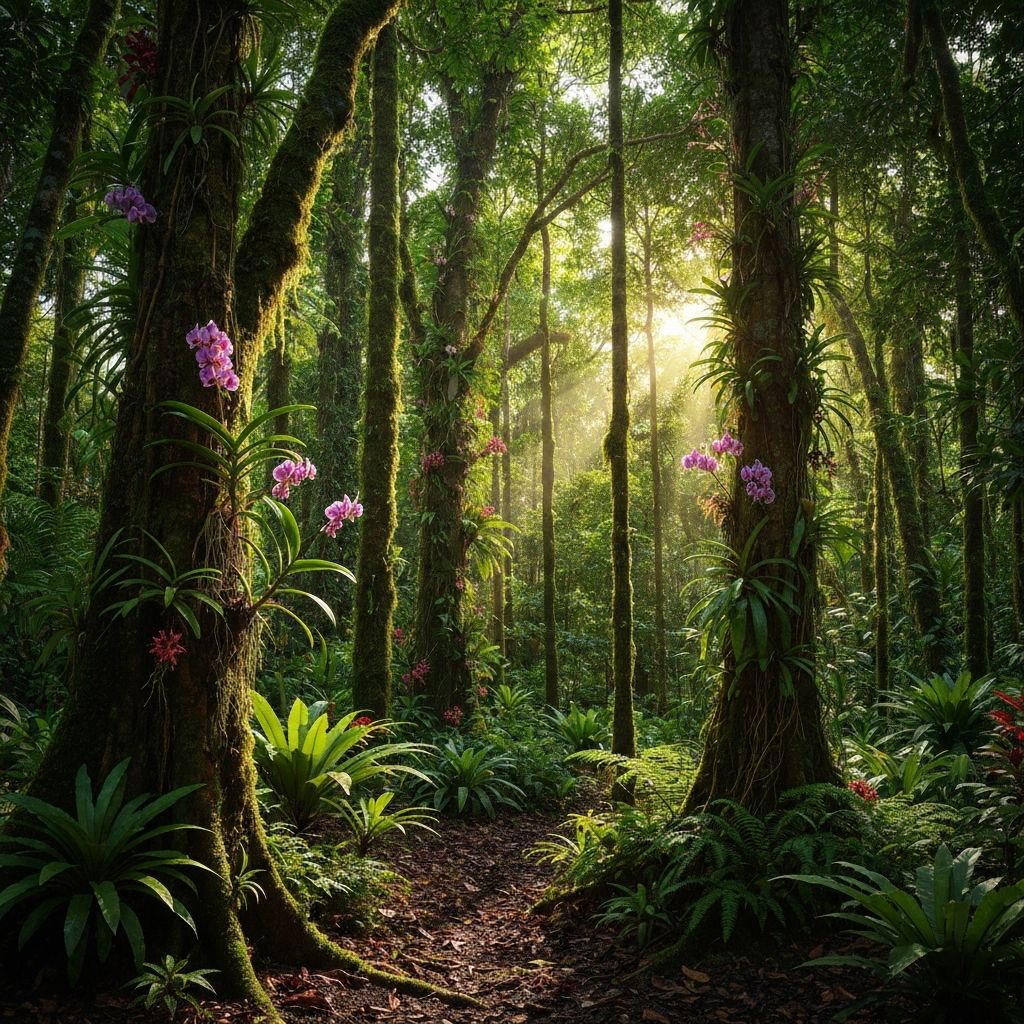
Chondroitin is a natural polysaccharide found primarily in marine organisms and cartilaginous structures. It has been a traditional component of island and coastal diets throughout Indonesia and Southeast Asia.
Marine environments surrounding tropical islands provide rich sources of chondroitin through naturally harvested sea organisms. This compound has maintained its significance in traditional nutritional practices as a valued dietary element.
As a structural component with specific biochemical properties, chondroitin contributes to understanding how marine-derived nutrients support bodily functions through traditional dietary incorporation rather than supplementation.
Collagen Peptides from Island Marine Sources
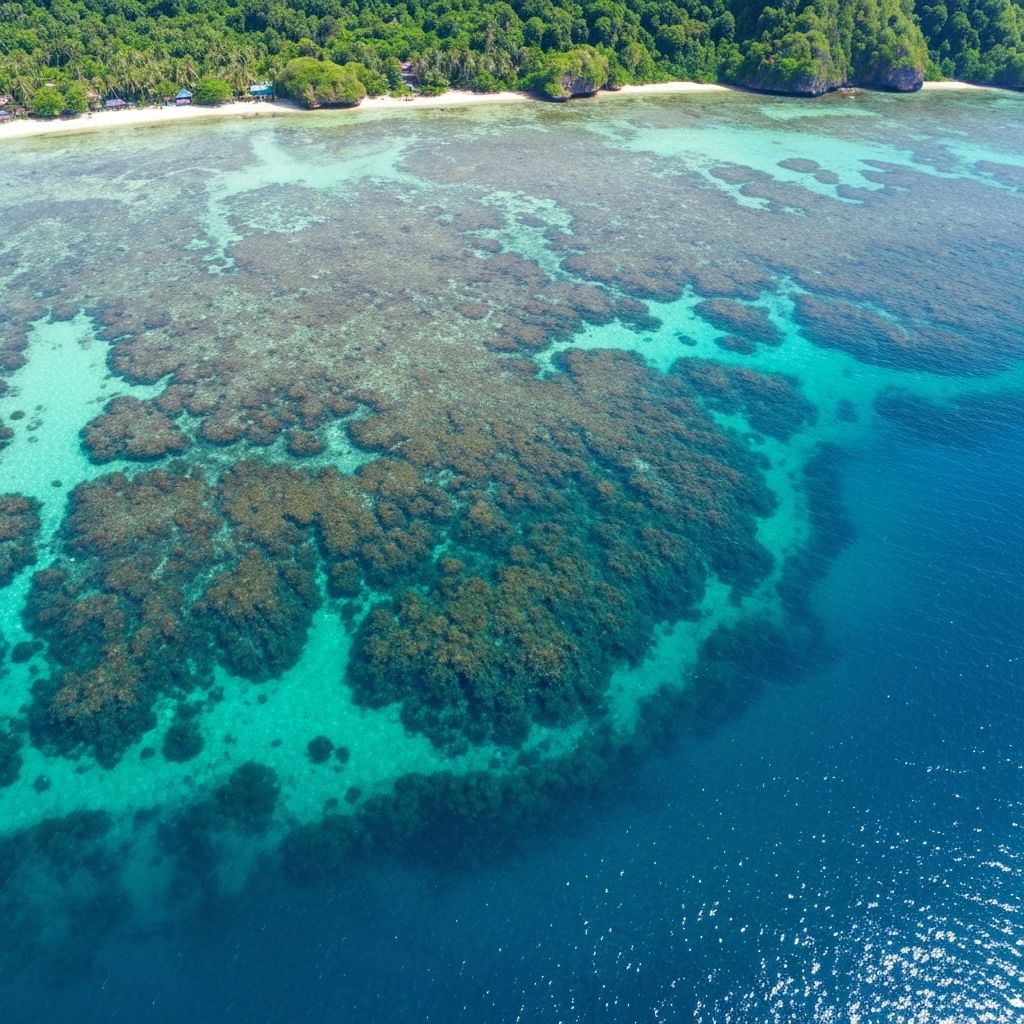
Collagen peptides are protein fragments derived from marine collagen, making them significant components of traditional island diets throughout Indonesia. These peptides represent bioavailable forms of marine-sourced protein.
The waters surrounding Indonesian islands have traditionally provided abundant sources of collagen-rich marine organisms. This marine nutrition has supported population health and physical capability across generations.
As amino acid sequences with specific biological activity, collagen peptides exemplify how marine nutrition integrates into traditional dietary systems and supports the nutritional basis for physical activity and bodily function.
MSM in Green Forest Foods
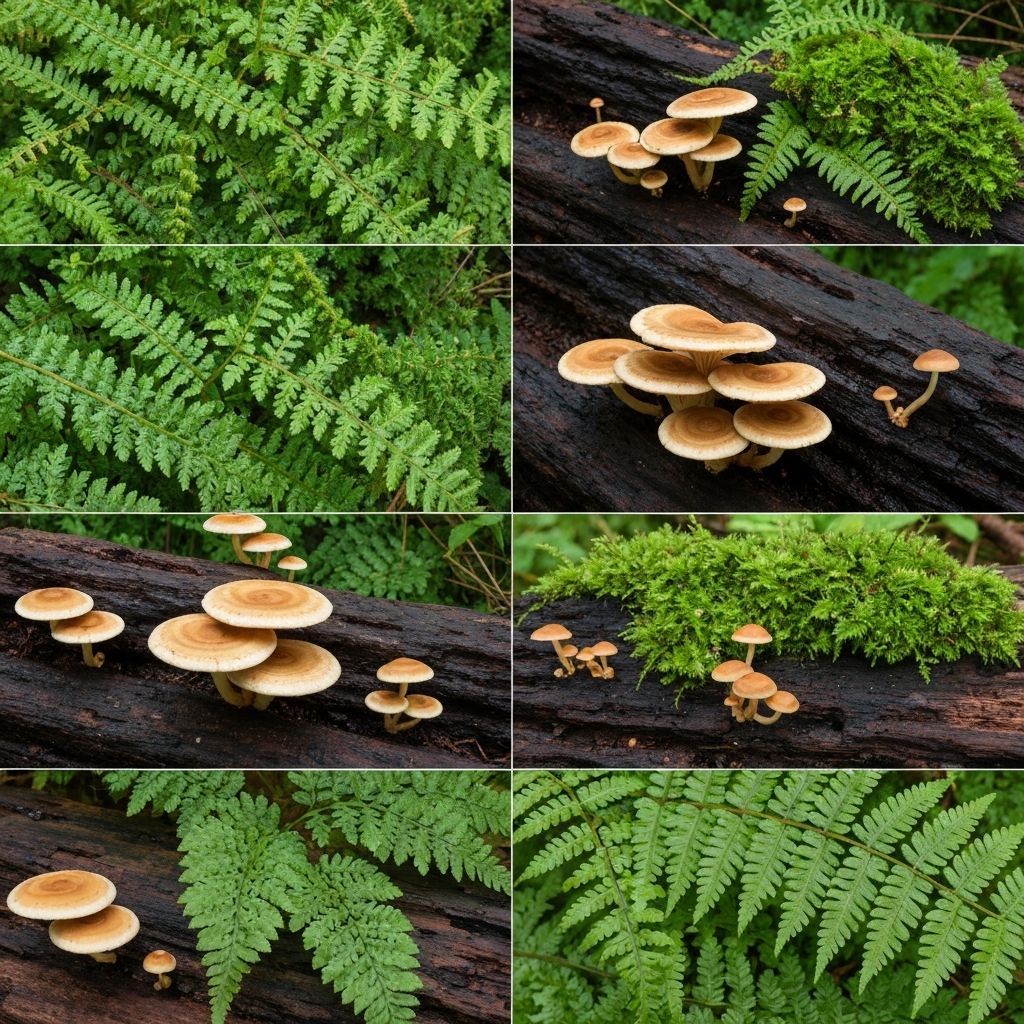
MSM (Methyl Sulfonyl Methane) is a naturally occurring organic sulfur compound found throughout green plants and forest vegetation. It represents one of the most abundant bioavailable sulfur sources in nature.
Tropical forest plants accumulate MSM from soil and atmospheric sources, making it a consistent component of forest-based diets. Sulfur compounds have traditionally been valued for their role in supporting bodily structures and functions.
The presence of MSM in forest foods connects sulfur nutrition to traditional dietary practices, emphasizing how forest ecosystems naturally provide elemental compounds essential for maintaining normal bodily structures and processes.
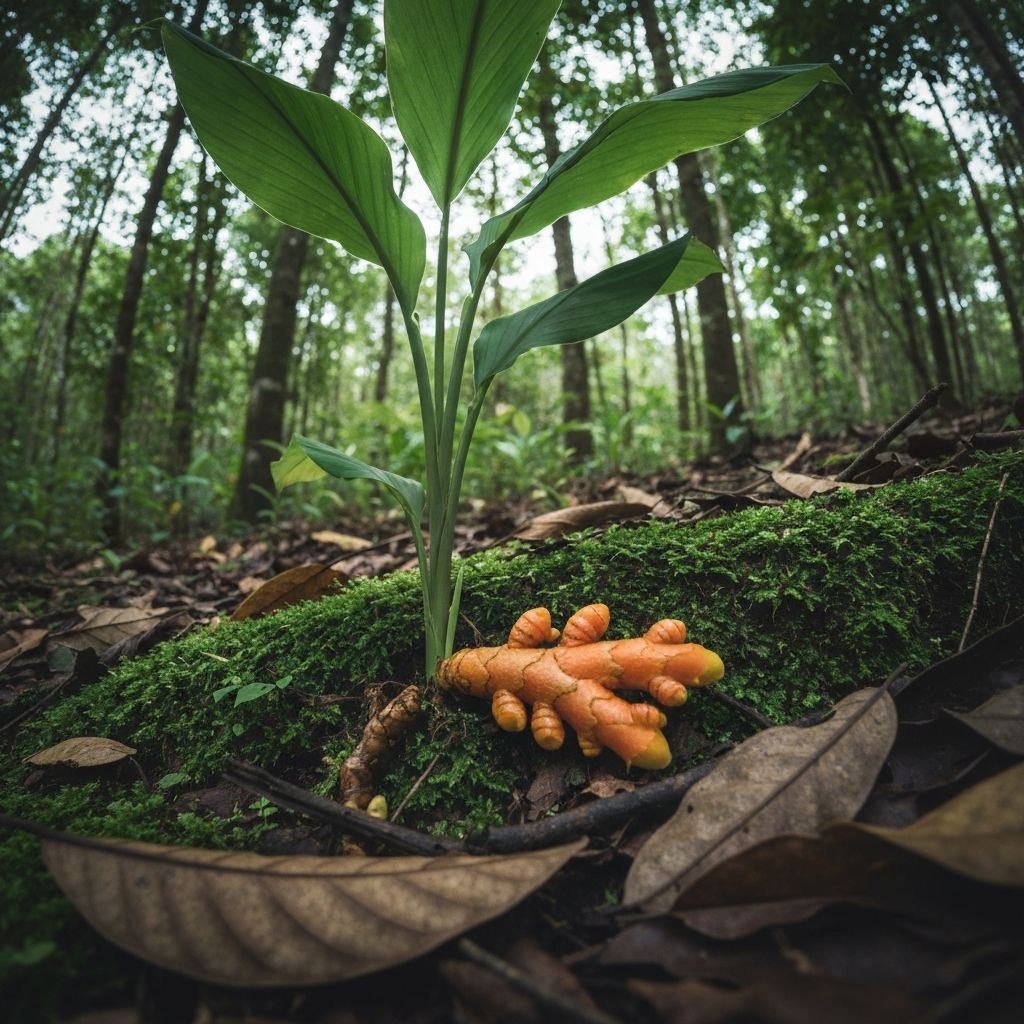
Curcumin from Deep Forest Turmeric
Curcumin is the primary bioactive polyphenol compound found in turmeric, a plant native to tropical forest regions. Turmeric has been a cornerstone of traditional Asian cuisine and dietary practices for over 4,000 years.
In Indonesia and Southeast Asia, turmeric grows abundantly in forest gardens and traditional agricultural settings. Its cultivation and use represent one of the most significant examples of forest plant integration into daily nutrition and traditional culinary systems.
The compound's biochemical profile has made it one of the most extensively researched natural compounds in nutritional science, supporting its continued importance in traditional dietary systems and contemporary understanding of plant-based nutrition.
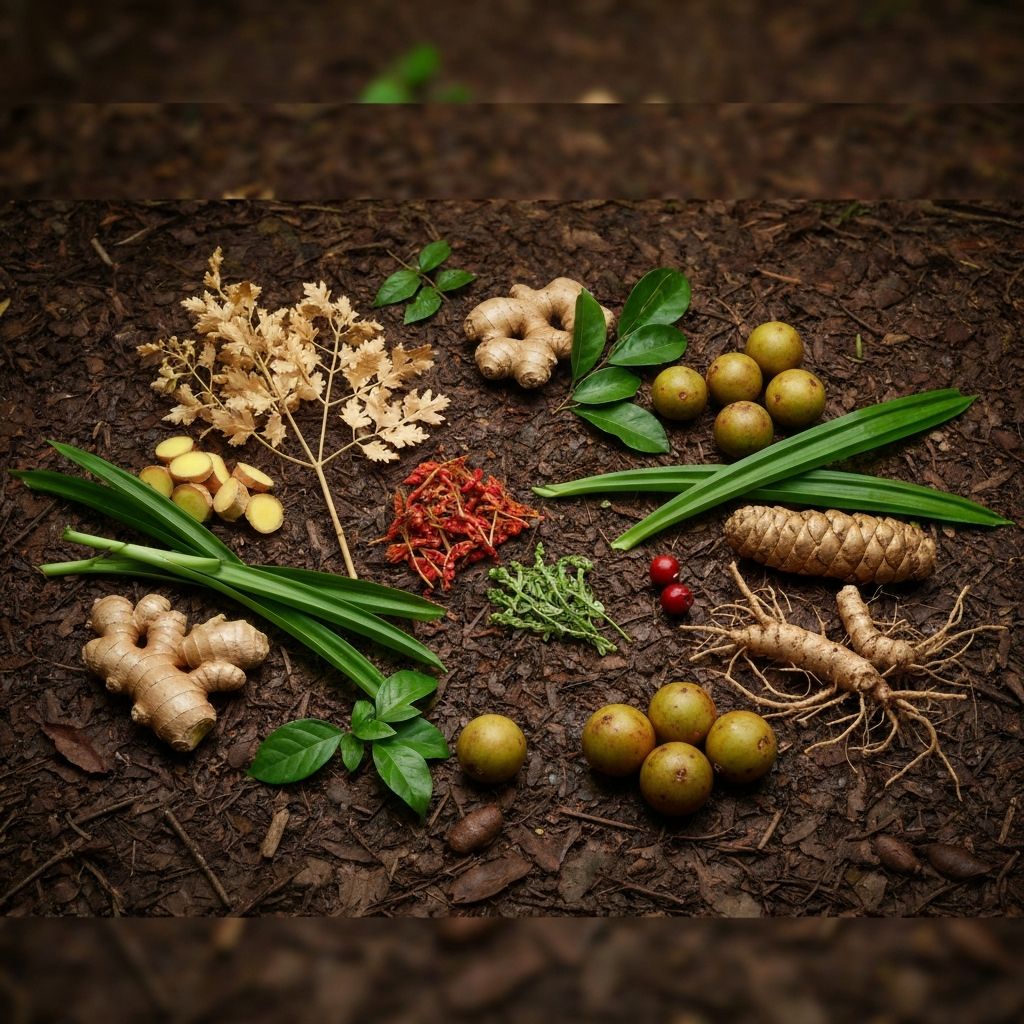
Ginger, Pandan, Jambu & Boswellia Info
Ginger: A flowering plant from the Zingiberaceae family, ginger has been fundamental to Asian cuisine and traditional medicine for millennia. The rhizome contains gingerol compounds with significant bioavailability.
Pandan: A tropical plant with aromatic leaves widely used in Southeast Asian cooking. Its compounds contribute unique flavor profiles and nutritional elements to traditional dishes.
Jambu: Representing several tropical fruits rich in vitamin C and antioxidants, jambu species have sustained traditional forest diets and represent important seasonal food sources across Indonesia.
Boswellia: A forest tree producing resin with boswellic acids, traditionally used in Ayurvedic and traditional Asian practices for its role in supporting bodily function and movement.
Forest-Native Compounds for Natural Mobility
Our educational focus highlights three primary categories of forest-sourced compounds supporting everyday movement and natural mobility. These represent distinct botanical sources and nutritional profiles from tropical forest ecosystems.
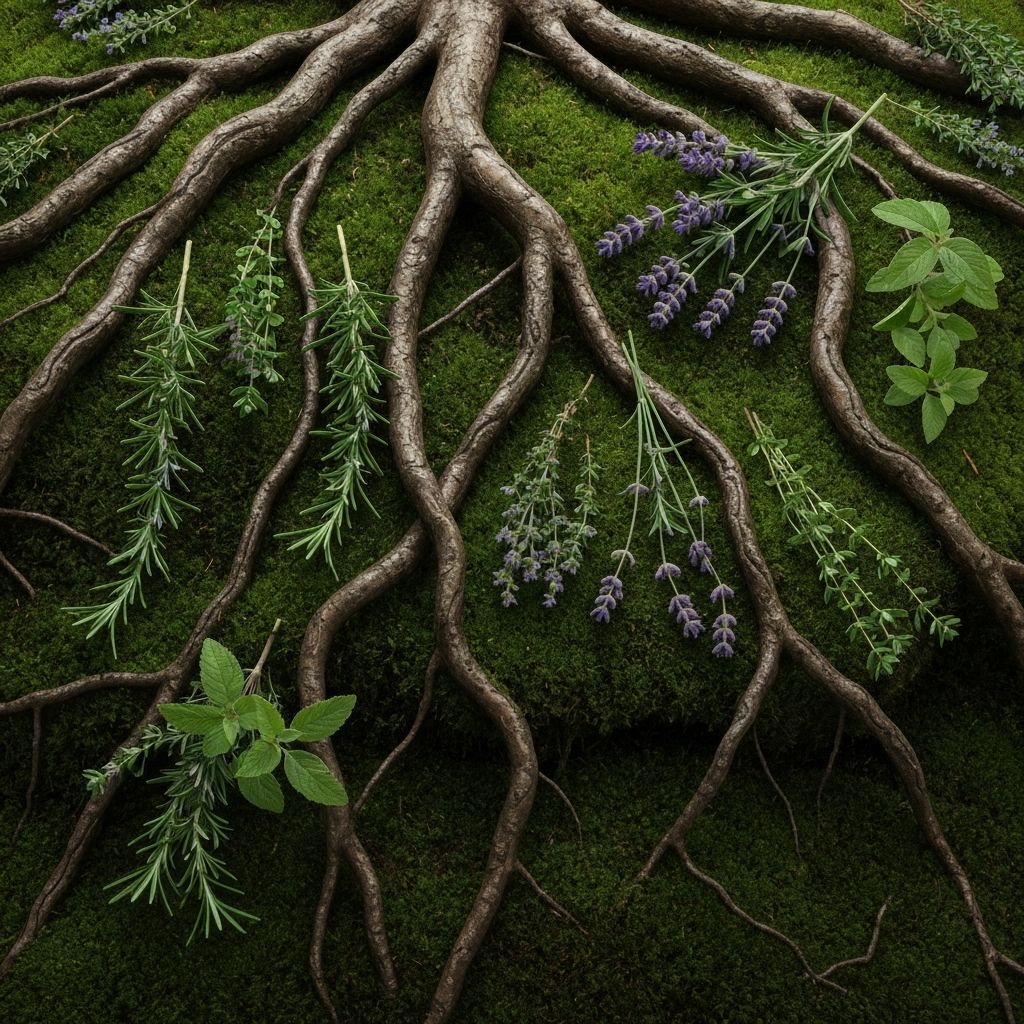
Root & Rhizome Compounds
Deep-sourced forest roots including turmeric, ginger, and traditional rhizomes supporting natural movement and bodily mobility.

Forest Botanical Extracts
Concentrated plant materials from jungle flora including boswellia, pandan, and forest fruits representing diverse nutritional profiles.
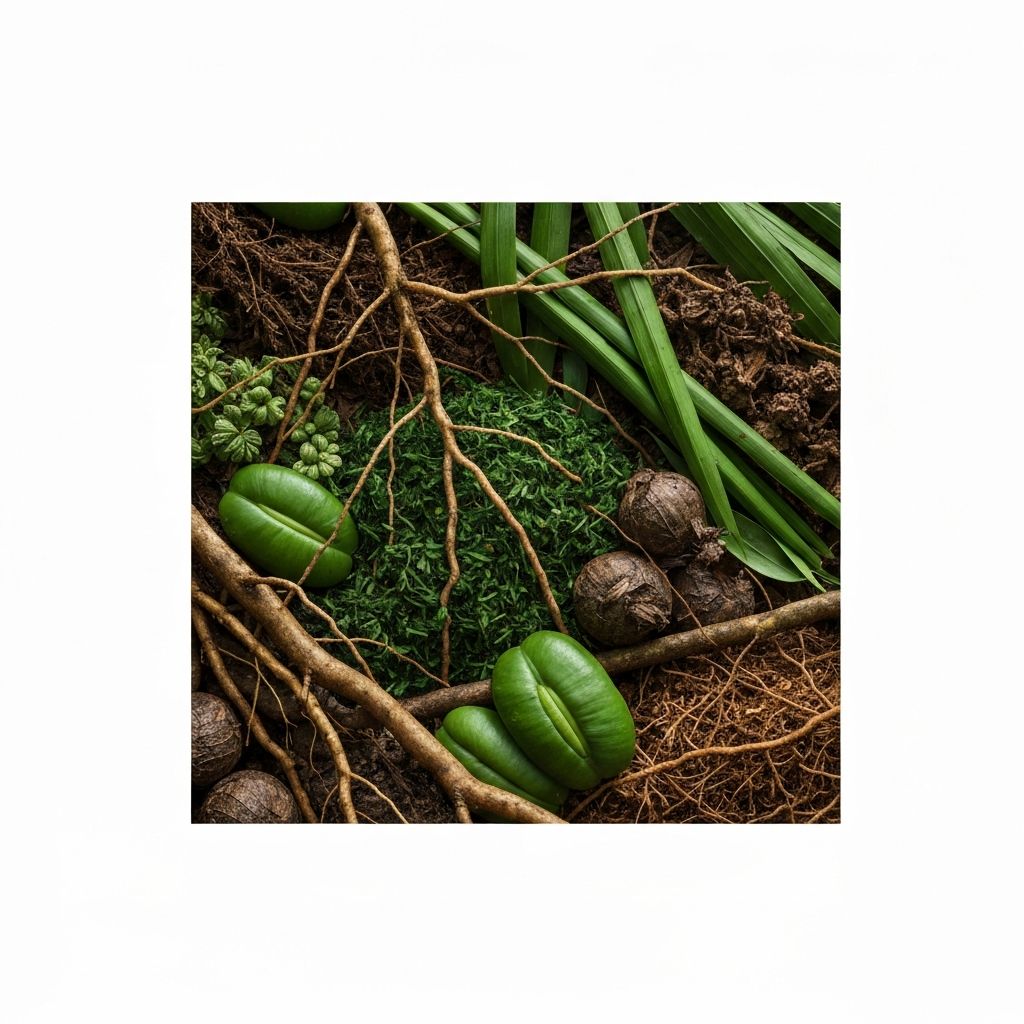
Marine & Fungal Nutrients
Island-sourced compounds including glucosamine, chondroitin, and marine collagen supporting structural integrity and natural function.
Frequently Asked Questions
What is the educational focus of this resource? +
This resource provides educational information about forest-sourced tropical plant compounds and their traditional role in supporting natural movement and bodily function. It explains the botanical origins, nutritional context, and scientific understanding of these natural elements without making medical claims or recommendations.
Where do these compounds come from? +
The compounds discussed originate from tropical forest ecosystems, primarily in Indonesia and Southeast Asia. These include rhizomes (turmeric, ginger), forest trees (boswellia), tropical plants (pandan, ferns), island fruits (jambu), and marine organisms (glucosamine, chondroitin, collagen). They have been components of traditional diets for centuries.
Are these compounds appropriate for everyone? +
This resource provides general educational information only and does not constitute personalized recommendations. Individual dietary choices vary based on personal health circumstances, allergies, medications, and preferences. Consult with a healthcare professional before making significant dietary changes or beginning any new nutritional regimen.
How are these compounds consumed traditionally? +
Traditionally, these compounds are incorporated into daily diets through whole foods and culinary preparations. Turmeric appears in rice dishes and curries, ginger in teas and cooking, marine compounds in seafood-based diets, and various forest plants in seasonal foods. This represents traditional dietary integration rather than supplementation.
What is the difference between traditional use and supplementation? +
Traditional use refers to incorporation of natural compounds into everyday foods and diets as cultural dietary practice. Supplementation refers to concentrated, isolated forms taken outside normal dietary context. This resource focuses on traditional dietary and nutritional understanding rather than supplement recommendations.
Is scientific evidence available for these compounds? +
Many forest compounds have been subjects of nutritional and biochemical research. However, this educational resource presents information about traditional use and basic nutritional science without claiming medical benefits or therapeutic effects. Scientific understanding continues to evolve, and individual responses to natural compounds vary significantly.
Important Context & Limitations
Educational Information Only
This website is an educational resource providing information about forest-sourced tropical plant compounds and traditional nutritional practices. It is not intended to provide medical advice, diagnoses, treatment recommendations, or substitute for professional healthcare consultation.
Not a Medical Product
Not a medicinal product. Consult a healthcare professional before use. The information presented does not constitute medical claims or therapeutic promises. These are nutritional and botanical information resources only.
Individual Variation
All individuals are unique, and responses to dietary elements vary significantly based on personal health status, genetic factors, medications, and lifestyle. No single dietary element works the same for all people. Professional personalized guidance is essential.
No Individual Recommendations
This resource does not provide recommendations tailored to individual circumstances. Dietary choices should be made in consultation with qualified healthcare professionals who understand your personal health profile, medical history, and current medications.
Traditional vs. Modern Context
Information about traditional forest diets represents historical and cultural practices. Modern individual dietary needs may differ significantly from traditional practices. Contemporary nutritional supplementation differs fundamentally from traditional whole-food dietary integration.
Explore Further
We invite you to deepen your understanding of forest nutrition, tropical plant compounds, and natural approaches to supporting everyday mobility and bodily function. This educational resource exists to provide context, explanation, and scientifically-grounded information about these fascinating natural elements.
Whether you are interested in the botanical origins of forest compounds, the traditional dietary practices that have sustained forest communities, or the modern nutritional science surrounding these natural elements, this resource provides accessible, educational information.
Continue exploring our detailed sections to learn more about specific compounds, their sources, their traditional roles, and their place in contemporary nutritional understanding.
Get in Touch
Have questions about our educational resource? Want to learn more about forest-sourced compounds and natural nutrition? We welcome your inquiries and feedback.